


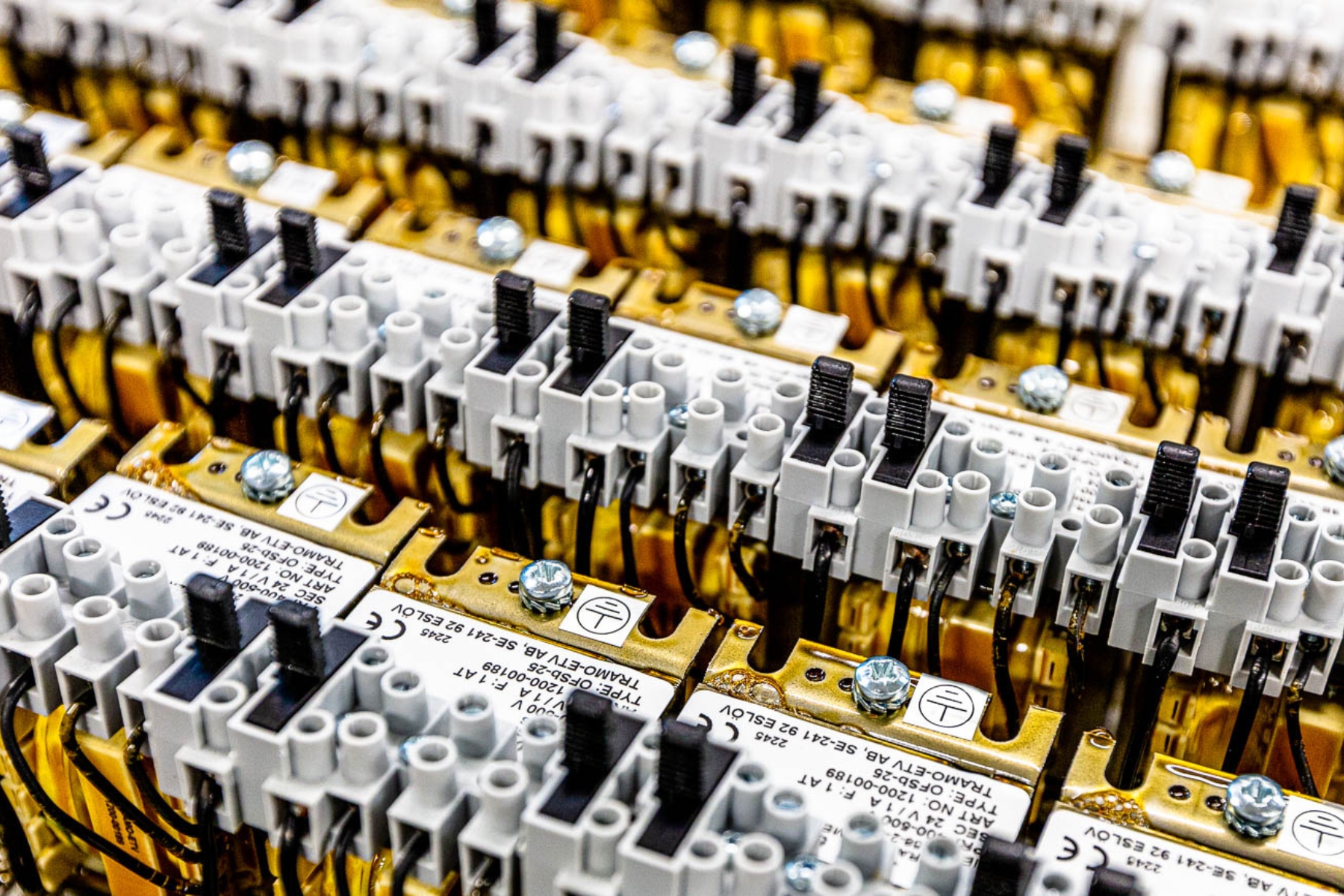
Etal’s single phase transformers are precision-engineered for efficient voltage conversion in residential, commercial, light industrial systems, military, aviation and medical industries. Designed with high-grade core materials and optimized winding configurations, they deliver low core losses, excellent voltage regulation, and high thermal performance. They can be manufactured using laminated or toroidal construction depending on application. Suitable for a wide range of applications including lighting, control circuits, and small machinery, these transformers offer compact construction, quiet operation, and long-term reliability with minimal maintenance requirements.
Typical Applications for Single Phase Transformers
Residential power supply
- Supplying electricity to homes (lighting, appliances, outlets)
- Used in distribution networks to step down voltage from utility lines
Small commercial setups
- Shops, offices, and small workshops
- HVAC systems and basic machinery
Electronic devices
- Power supplies in household electronics
Rural and low-demand areas
- Power distribution where three-phase supply isn’t necessary
Lighting systems
- Street lighting and small-scale lighting installations
Single Phase Transformers Advantages
- Simple design and operation. Single-phase transformers have fewer components and are easier maintain.
- Lower cost. Because of their simpler construction and smaller size, they are generally cheaper to manufacture, and install.
- Ideal for light loads. They’re perfect for applications where power demand is relatively low—like homes or small businesses.
- Easy installation. They don’t require complex connections or balancing between phases, which makes them quicker and easier to install.
- Good efficiency at small scale. For low-power applications, single-phase transformers are quite efficient and avoid the unnecessary losses that can come with oversized three-phase systems.
- Flexible voltage conversion. They can easily step voltage up or down for different needs—like reducing mains voltage for electronics or increasing voltage slightly for specific equipment.